
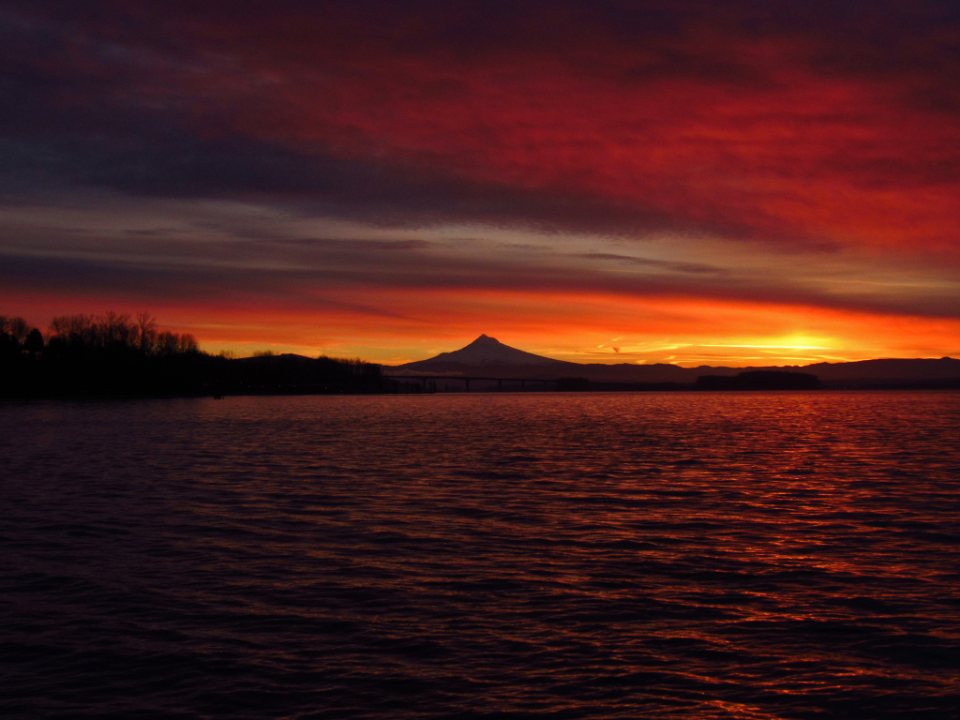
The first time we drove north out of Anchorage in June, we stopped for fuel, bought coffee, chatted with the cashier, and only on the way back to the car looked at a clock and realized it was twenty past eleven at night. The sky was the warm amber of a late afternoon anywhere else. That disorientation is the signature of an Alaska summer, and it never entirely wears off. The long light changes when people hike, when animals move, how children sleep, how drivers tire, and what a photograph looks like at two in the morning. Planning around it, rather than merely enduring it, is one of the small skills that separates a good trip from a tired one.
Table of Contents
What the sun actually does
The numbers vary sharply with latitude. On the summer solstice, June 20 or 21, Juneau sees about 18 hours and 20 minutes between sunrise and sunset. Anchorage gets roughly 19 hours and 20 minutes, with the sun rising a little after four in the morning and setting a little before midnight. Fairbanks, at 64.8 degrees north, gets almost 22 hours, and the sun dips so shallowly below the northern horizon that the sky never darkens beyond civil twilight from mid-May until late July. True midnight sun, when the sun does not set at all, begins at the Arctic Circle, 66.5 degrees north, which the Dalton Highway crosses about 115 miles (185 km) north of Fairbanks. In Utqiagvik on the Arctic coast, the sun rises around May 11 and does not set again until early August, roughly 82 days of continuous daylight. Even in the southern parts of the state, the useful light is longer than the sunrise-to-sunset figures suggest, because twilight at high latitude is slow: the sun slides sideways along the horizon rather than dropping through it.
Why the evenings are the long part
Alaska runs on a single time zone for almost the entire state, and it is set well east of where the sun would put it. Anchorage lies at 150 degrees west, which would naturally place it two hours behind its summer clock. The result is that solar noon falls at about two in the afternoon and solar midnight at about two in the morning. In practice this shifts the whole day late. Sunrise in Anchorage at the solstice is around 4:20 a.m., which feels almost normal, while sunset is near 11:40 p.m., which does not. Fairbanks is a little less skewed but still sees its darkest moment close to two in the morning. For a visitor, the long evening is where the extra hours live. We plan our afternoons as if they extend to ten at night, because they do, and we think of eight in the evening as the middle of the useful day.
Hiking and wildlife on a stretched clock
The gift of the long light is that nothing has to start at dawn. A summit hike that would demand a headlamp start in Colorado can begin after lunch in the Chugach and finish with dinner at nine. Trailheads near Anchorage are busiest between ten in the morning and four in the afternoon; from six in the evening on, we often have popular trails almost to ourselves, in the best light of the day. Wildlife follows a similar rhythm. Moose browse roadside willows most reliably in the low-sun hours before nine in the morning and after eight at night, and the golden hour that a photographer elsewhere gets for forty minutes lasts three or four hours here. The risk is the obvious one. Without darkness to send us home, we have caught ourselves starting a long walk at seven in the evening on legs that had already done a full day. Distance, not daylight, is the limit, and the body keeps its own clock regardless of what the sky says.
Sleeping, and helping children sleep
Most Alaskans manage the light with a mixture of blackout curtains, foil on cabin windows, eye masks and stubbornness. Visitors should pack the eye mask and use it from the first night, because a body that has flown north from a normal latitude will happily stay awake until the sky dims, and the sky does not dim. Children are the challenge. A five-year-old who is told it is bedtime at eight, with the sun blazing through the tent wall, is not being unreasonable. We keep the normal routine, darken the tent with whatever is at hand, and accept that a nine or ten o’clock bedtime in summer is a reasonable Alaskan compromise. Campgrounds are noticeably louder late in the evening than in the south, and a site away from the loop road helps.
Driving, timing and the practical side
The single most useful adaptation is to drive in the evening. The Parks and Seward highways see far less traffic after seven at night, the low sun is out of the eyes on many stretches, and moose are easier to see against lit ground than in true dusk. But daylight hides fatigue. A driver who would never set off at eleven at night in December will do so cheerfully in June, and the rate of single-vehicle accidents on long straight roads in summer speaks to that. We stop every two hours and we do not drive after midnight, however bright it is. The light also stretches the working day for others: tour boats run late departures, fishing charters can offer evening tides, and small planes fly into the evening, which gives a trip more flexibility than the same itinerary anywhere further south. Businesses, on the other hand, still close at normal hours, so the ten o’clock evening still needs dinner bought by seven.
The turn, and the loss of light
The solstice is a peak, not a plateau. In Fairbanks, the daylight begins to shorten almost immediately, and by early August the town is losing close to seven minutes of daylight a day; Anchorage loses about five and a half. A visitor in the first week of June and one in the last week of August are in different worlds. The early one has endless light and few stars; the later one has a real sunset near nine, a chance of the aurora after eleven, cooler nights, ripe blueberries and the first yellow in the birches. We have come to love the sense of urgency in late summer, when every evening is visibly shorter than the one before and the whole state seems to be outside making the most of it. For the ceremony of it, the Interior marks the solstice with a baseball game that has been played at midnight without artificial light since 1906, and towns across the state hold festivals on the nearest weekend. A trip timed to that week sees Alaska at its brightest, and understands, on the drive home from the game at one in the morning with the sky still glowing, why nobody here wants to go to bed.