
Alaska is expensive, and it is expensive for reasons that are easy to understand once we see them. Almost everything that is not fish, timber or oil arrives by barge or by air. Distances between towns are measured in hours. The season for most businesses is a hundred days long, and a year’s rent has to be earned in it. None of this means a trip has to be ruinous. It means the budget has to be built around the geography rather than against it. Here is where the money goes, and where it does not have to.
Table of Contents
Distances are the first line of the budget
Before fuel, food or beds, the biggest cost in Alaska is simply covering ground. Anchorage to Fairbanks is 358 miles (576 km). Anchorage to Homer is about 220 miles (355 km), to Valdez about 300 miles (480 km), and a loop that touches Denali, Fairbanks, Valdez and the Kenai runs well past 1,200 miles (1,900 km). Every one of those miles costs fuel, time and, for a rental car, sometimes a per-mile charge above a daily cap. The single most effective budgeting decision is to see less. Two regions done slowly cost less and give more than four done at a run.
Rental cars deserve their own line. In summer they are in high demand and priced accordingly, and most standard contracts forbid the gravel highways: the Denali, the Dalton, the McCarthy road and the Taylor. Driving them anyway voids the cover. Vehicles that are allowed on gravel exist but cost more. Reserving in winter for a July pickup is not excessive.
Fuel: fine in the cities, painful on the edges
Gasoline in Anchorage and Fairbanks is usually not far above the national average. The price climbs with every mile from those two cities. Along the Richardson, the Glenn and the Parks it is noticeably higher; on the Dalton and in the Bush it can be half again or double what we paid in town, and in villages off the road system fuel arrives once or twice a year by barge and is priced like the precious thing it is. The rule is to fill up in the cities and at every pump on the long stretches, both to save money and because the next pump may be closed for the night or the season. A midsize car over a 1,200-mile (1,900 km) loop will burn somewhere around 45 gallons (170 liters). That is a real number to put in the plan.
Food: the grocery store is the tell
The quickest way to understand Alaska’s economy is to read the price tags in a grocery store. In Anchorage and Fairbanks groceries run somewhat above the Lower 48 average, more for fresh produce and dairy, since almost all of it comes up by ship. In small road-system towns the premium grows. In a Bush village a gallon of milk or a head of lettuce can cost two or three times what it does in Seattle. Restaurant meals follow the same curve, with the added summer premium of a short season and a scarce workforce.
The practical answer is to cook. A cooler, a camp stove and a big shop in Anchorage on the first day pays for itself within a week. Salmon and halibut are the one exception where local is cheap, or free with a rod and a nonresident fishing license, which is sold by the day, the week or the year and is required for anyone sixteen or older. One thing helps every purchase: Alaska has no state sales tax. Some municipalities add their own few percent, and most towns levy a bed tax on lodging, but the sticker price is usually close to the real one.
Ferries, trains and planes: paying for the water and the air
The state ferries are the cheapest way to move a vehicle through Southeast Alaska and the most expensive way to move a person quickly. A walk-on passenger pays a moderate fare and sleeps free on the deck or in the solarium; adding a car, a cabin and meals for the two-and-a-half-day run from Bellingham to Juneau turns it into a serious expense, often more than the fuel and lodging to drive the equivalent distance elsewhere. Traveling as a foot passenger with a bicycle or a kayak is the budget version and, in our experience, the better trip.
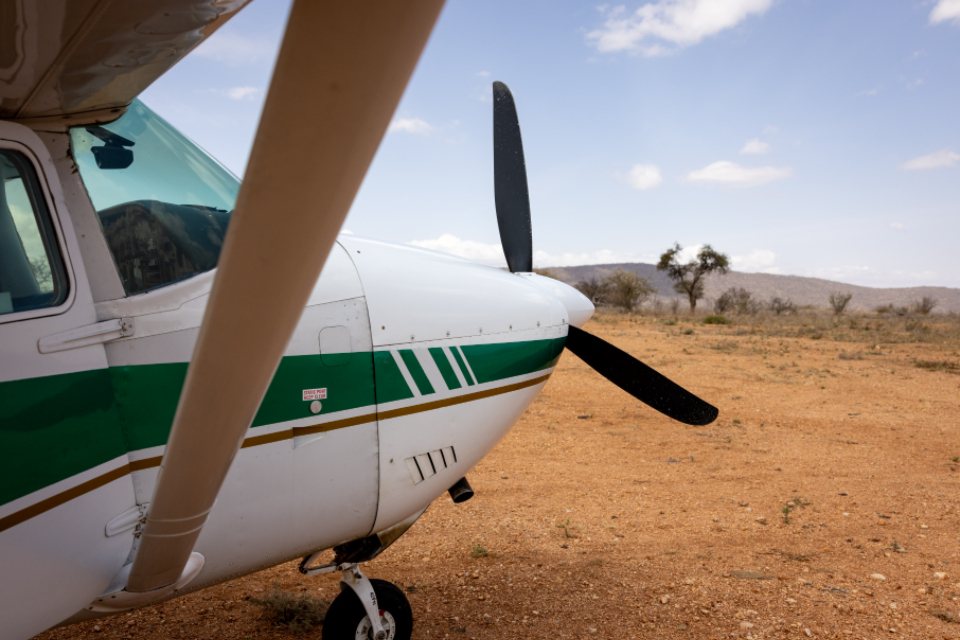
The railroad is priced as an experience rather than as transport; a one-way ticket from Anchorage to Fairbanks costs more than the fuel to drive it. Scheduled flights to the hub towns of the Bush are priced like short international flights, and a charter is priced by the aircraft and the hour, so a small group splitting a plane pays far less per person than a couple. Every flight into remote Alaska should be budgeted with a spare day, because a weather delay costs a night somewhere.
Lodging and the fees that add up
Hotel rooms in the three main cities run high from mid-June to mid-August and drop sharply outside it. Public campgrounds and public-use cabins are inexpensive by any standard, and a tent is the single biggest lever on a summer budget. Then come the small fees: park entrance fees, a bus ticket for the Denali park road, campground reservation charges, a bear-resistant canister rental, a harbor launch fee, tips for guides, and the cost of the bear spray we cannot fly with and must buy on arrival. None is large alone. Together they add a noticeable line, and it is honest to plan for them.
A budget shape that works
For a two-week summer trip in a rental car, we plan in this order and adjust from the top.
- Transport first: flights to Alaska, the car, fuel for the real mileage, and any ferry, train or bush flight.
- Beds second: a mix of campgrounds, a public cabin, one or two nights of proper lodging, and the unglamorous airport night.
- Food third: groceries from the city, a stove, and a handful of restaurant meals where the fish is good.
- Fees and gear fourth: licenses, park and bus tickets, bear spray, canister rental, tips.
- A reserve of ten to fifteen percent for weather: the delayed flight, the extra night, the tow.
The reserve is not optional. Alaska will use it. The traveler who arrives with slack in the wallet and the calendar spends the rainy day watching whales from the ferry deck; the one who arrives without either spends it on the phone. Remoteness has a price, and paying it calmly is most of what a good Alaska trip costs.
Read next: Alaska in Winter: What January and February Offer Beyond the Aurora